Sonex Aircraft · 1998+
Sonex / Waiex / Xenos / SubSonex
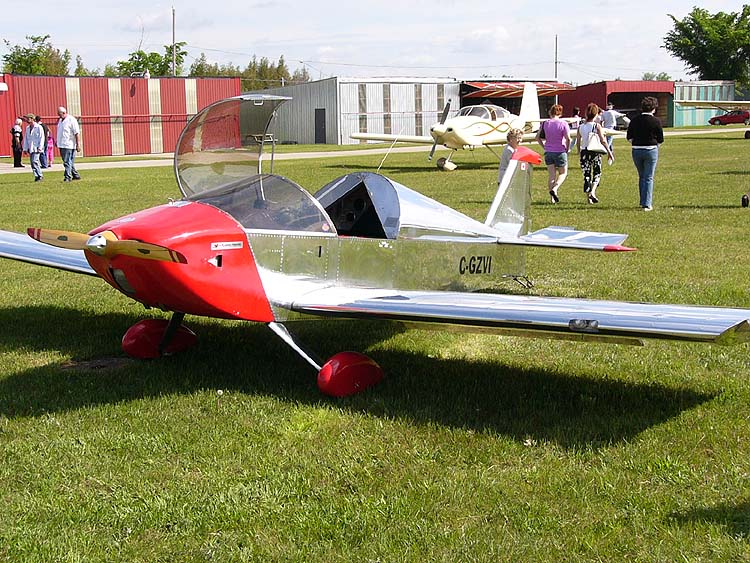
Specifications
MOSAIC eligiblePerformance
Cruise
150KTAS
Range
350nm
Climb
1400fpm
Ceiling
23,000ft
Fuel Burn
5.5gph
Fuel Cap.
16gal
MPG
31.4mpg
Stall (Vs0)
35KIAS
T/O roll
500ft
Ldg roll
475ft
Size & weight
Seats
2
Useful Load
600lbs
Full-fuel payload
504lbs
Max gross
1,220lbs
Wingspan
22ft
Length
17.9ft
Engine
Engine
Jabiru 3300
Power
120hp
TBO
2,000hrs
Overhaul
$8k
Owning it
Hull insurance
$1k/yr
Parts
good
Mechanics
common
Gear
Fixed
IFR
No
Category
experimental
Full specification
V-speeds
Airframe
- Empty weight
- 620 lbs
- Max fuel weight
- 96 lbs
- Height
- 5 ft
- Wing position
- low
Obstacle performance
- Takeoff over 50 ft
- 900 ft
- Landing over 50 ft
- 900 ft
Paperwork
- Certification basis
- Experimental Amateur-Built
These figures are typical for the model, not a specification for any individual aircraft. Real-world numbers vary with year, installed equipment, weight, modifications and engine condition — often by more than you would expect. Use them to compare types, and confirm anything you would act on against the Pilot's Operating Handbook for that specific airframe and a prebuy inspection.
Pricing
Typical
$50k
Range
$20k – $100k
Annual all-in
~$12k/yr
All-in at ~100 flying hours a year, using the midpoint of each range — the same figures broken out under “Cost to own” below. Your number will differ, and mostly for two reasons. Experience sets your insurance: a 2,000-hour pilot with recent training pays 30–40% less than a 200-hour owner, and student owners pay 20–40% more — on the same aircraft that is often a doubling. Location sets your hangar: a T-hangar runs $200–400 a month in the Midwest against $400–1,500 in a coastal metro, and an outside tie-down is less again. Engine reserves move too — a local shop reusing your serviceable cylinders can come in 30–50% under the national specialty-shop pricing we quote, though you trade the warranty and turnaround that comes with it. Reserves are money set aside toward a future overhaul, not a bill this year, and the annual inspection figure is the shop’s labor to look — whatever they find is separate.
Cost to own — estimate
Set your yearly hours and local fuel price. Fixed costs (insurance, hangar, annual inspection) don't change with hours; fuel, maintenance and the engine reserve do.
- Fuel (5.5 gph)
- $3,575
- Engine reserve
- $400
- Maintenance, parts & wear items ($12/hr)
- $1,200
- Insurance
- $900–$1,800
- Hangar
- $2,363–$5,907
- Annual inspection (labor only)
- $1,200
- Databases & subscriptions
- $400
- Total per year
- $12,260
- Per flight hour
- $123
- Miles flown / year (at cruise)
- 17,262 mi
- Cost per mile
- $0.71/mi
- Time in the air
- 2 hr 00 min
- Fuel burned
- 11 gal
- Out of pocket
- $104
Fuel, engine reserve and wear only. Insurance, hangar and the annual are already paid whether you make the trip or not, so they are not charged here.
Estimate, not a quote. Where a line shows a range, the total, per-hour and per-mile figures use its midpoint— insurance moves most with your experience and time in type, hangar with where you base the aircraft, so your own number could sit at either end. Annual inspection is the shop's labor to open and inspect — what they find is the maintenance line, which covers oil changes, plugs, tires, brakes, hoses, lights, a battery and vacuum pump amortised over their life, and the unscheduled squawks that are the largest and least predictable part of it. Reserves are sinking funds toward an overhaul, not a bill you pay this year — and note that a propeller is due on hours or calendar time, typically six years, so flying less does not put it off forever.
Strengths
- Exceptional value: $30k–$55k complete build, $30–$50/hour operating cost
- Excellent performance: 150 KTAS on 120 HP, faster than Cessna 172 on less fuel
- Simple all-metal construction with strong factory support and large builder community
- Ideal for sport flying and weekend cross-country trips under 300 nm
Weaknesses
- Severe fuel capacity limit: 16 gallons = 350 nm range, frequent refueling required
- Narrow cockpit unsuitable for larger pilots (shoulder width 18"+)
- Experimental category limits training use and resale market
- Limited baggage and two-seat only configuration
Overview
Sonex Aircraft (Oshkosh, Wisconsin) builds the budget hot rod of kit aviation. Founded by John Monnett, the Sonex family delivers sport-plane performance — 150 KTAS on 120HP — in the cheapest all-metal airframe you can build. Kit prices start under $20,000 for the airframe, and total build costs of $30,000-$55,000 make the Sonex one of the most affordable paths to aircraft ownership.
By 2014, over 500 Sonex family aircraft had been completed and were flying. The product line includes the Sonex (conventional tail), Waiex (Y-tail), Xenos (motor glider), Onex (single-seat with folding wings), and the remarkable SubSonex — a single-seat jet powered by a PBS TJ-100 turbojet.
The Sonex-B and Waiex-B (2016) are the current production models with enlarged cockpits, electric flaps, and support for multiple engine options including the Sonex-proprietary AeroVee 2180 (80HP Volkswagen-based), Jabiru 3300 (120HP), Rotax 912 (100HP), and UL Power UL350i (118HP).
In 2024, Sonex approved a gross weight increase to 1,220 lbs for aircraft with 100HP or more, improving useful load and MOSAIC eligibility.
Variants & History
| Variant | Years | Engine | HP | Gross Weight (lbs) | Key Features |
|---|---|---|---|---|---|
| Sonex | 1998-2016 | AeroVee/Jabiru | 80-120 | 1,150 | Original; conventional tail; 311+ built |
| Sonex-B | 2016-present | AeroVee/Jabiru/Rotax | 80-120 | 1,220 | Enlarged cockpit; electric flaps; current production |
| Waiex | 2000-2016 | AeroVee/Jabiru | 80-120 | 1,150 | Y-tail variant; identical performance to Sonex |
| Waiex-B | 2016-present | AeroVee/Jabiru/Rotax | 80-120 | 1,220 | Y-tail; enlarged cockpit; current production |
| Xenos | 2002-present | AeroVee | 80 | 1,050 | Motor glider; extended wings; soaring capability |
| SubSonex JSX-2 | 2013-present | PBS TJ-100 | 258.53 lbf thrust | 1,000 utility / 900 aerobatic | Single seat. JET. $152,654 complete kit; Y-tail. No page — see Sourcing status |
The AeroVee 2180 is Sonex's own engine — a heavily modified Volkswagen Type 1 engine producing 80HP. At approximately $7,500 complete, it's the cheapest new aircraft engine available. The Jabiru 3300 at 120HP is the performance option, adding 20 KTAS to cruise speed. The Rotax 912 at 100HP provides the best balance of power, reliability, and parts support.
Performance
Sonex-B with Jabiru 3300 (120HP): 150 KTAS (170 MPH) cruise at 8,000 feet on 5.5 GPH. This is faster than a Cessna 172 on less than two-thirds the fuel. Rate of climb at 1,400 FPM is excellent. The 23,000-foot service ceiling reflects the low weight and adequate power. Range of 350 nm from 16 gallons is limited — the Sonex is a short-legged speedster.
Sonex-B with AeroVee 2180 (80HP): 130 KTAS (150 MPH) cruise on 4 GPH. Still faster than most trainers on a Volkswagen-derived engine costing $7,500. Range extends to approximately 400 nm due to lower fuel burn.
Waiex: Identical performance to the Sonex. The Y-tail provides a distinctive appearance and slightly different pitch characteristics but no meaningful performance difference.
Onex (single-seat, 80HP): now has its own page, sonex-onex, with figures taken from Sonex's published table. Two numbers that appeared here were wrong: gross weight is 950 lb, not 740, and the 8,000 ft cruise is 135 KTAS (155 mph TAS), not 130.
SubSonex JSX-2 (turbojet): a single-seat jet kit. Sonex's own price breakdown totals $152,654 complete ($55,000 quick-build kit + $86,000 for the PBS TJ-100 + instruments and upholstery), not the $125,000 this page carried. Max-range cruise is 202 KTAS (232 mph TAS at 17,500 ft) on a turbojet producing 258.53 lbf. Sonex publishes no cruise fuel flow at all — only 11 gph at idle — so the "approximately 30 GPH" figure that stood here was reverse-engineered from a rounded range and is not a measurement. Published range is 304 statute miles with a 30-minute reserve, 264 nm. See Sourcing status for why it has no page of its own.
The 16-gallon fuel capacity is the Sonex's primary limitation. At 5.5 GPH (Jabiru), endurance is about 2.5 hours with reserve — requiring fuel stops on any trip over 300 nm.
Payload & Range
Sonex-B (Jabiru 3300, 120HP, 16 gal fuel):
| Scenario | Fuel (gal) | Fuel Weight (lbs) | Payload (lbs) | Pax + Bags | Range (nm) |
|---|---|---|---|---|---|
| Full fuel, 2 pax | 16 | 96 | 504 | 2 × 180 + 144 | 350 |
| Full fuel, 2 large pax | 16 | 96 | 504 | 2 × 220 + 64 | 350 |
| Full fuel, solo | 16 | 96 | 504 | 1 × 200 + 304 | 350 |
Sonex-B (AeroVee 2180, 80HP, 16 gal fuel):
| Scenario | Fuel (gal) | Fuel Weight (lbs) | Payload (lbs) | Pax + Bags | Range (nm) |
|---|---|---|---|---|---|
| Full fuel, 2 pax | 16 | 96 | 504 | 2 × 180 + 144 | 400 |
The Sonex's 600 lbs useful load is generous for a 1,220-lb aircraft — two 180-lb pilots with full fuel still have 144 lbs for baggage. Two 220-lb pilots can fly with full fuel and 64 lbs of bags. The 16-gallon fuel capacity is the constraint: 350 nm range (Jabiru) or 400 nm (AeroVee) limits the Sonex to regional missions. Solo flying with full fuel leaves 304 lbs for pilot and baggage — more than adequate for the single-occupant sport flying mission.
Mission Suitability
- Flight Training (4): The Sonex's light weight and responsive handling could serve for tailwheel training or sport flying education. The low stall speed (35 KIAS) provides good margin. Not ideal for primary training due to experimental category, limited fuel, and tandem-like shoulder width.
- Backcountry (1): Low wing, fixed nosewheel or tailwheel, and minimal ground clearance. Not a bush plane.
- Business Travel (1): 150 KTAS but only 350 nm range and two seats. Not practical for business.
- Aerobatics (3): The Sonex can perform basic aerobatic maneuvers — loops, rolls, spins. Not competition-capable but the light weight and 120HP make it entertaining for sport aerobatics. G-limits at approximately +6/-3 at aerobatic weight.
- Cross-Country (4): 150 KTAS cruise is excellent, but 350 nm range means frequent fuel stops. Adequate for weekend 200-nm trips. The 16-gallon tank is the constraining factor.
- Cargo Hauling (1): Two seats, minimal baggage area. Not a cargo aircraft.
- Local Fun Flying (9): THE Sonex mission. Fast, light, responsive, and cheap to operate. The Sonex delivers sports-car handling at $30-$45/hour operating cost. The enormous Sonex community provides fly-in culture and builder support. Pure flying pleasure at the lowest cost in aviation.
- Surveying (1): Low wing, limited endurance. Not applicable.
Avionics Ecosystem
- Typical Sonex panel: Minimal VFR — basic flight instruments, engine monitor, single comm radio. Many Sonex builders keep panels ultra-simple to save weight and cost. $2,000-$5,000 for a basic panel.
- Upgraded panel: Dynon D10A or Garmin G5, GPS, ADS-B transponder. $8,000-$15,000.
- The Sonex philosophy is simplicity. Heavy glass panels defeat the purpose of a 620-lb aircraft. Most builders optimize for lightweight flying, not avionics capability.

2009 Van's RV-7
RV-7 · Fast + Aerobatic · Dynon Glass · Great First RV
STCs & Modifications
Experimental amateur-built — no STCs required.
- Engine choice is the primary builder decision: AeroVee 2180 ($7,500, 80HP), Jabiru 3300 ($15,000, 120HP), Rotax 912ULS ($20,000, 100HP), UL Power UL350i ($18,000, 118HP), or CAMit 3300 ($12,000, 120HP).
- Tailwheel or nosewheel: Builder's choice. Tailwheel is lighter; nosewheel is easier.
- Auxiliary fuel tank: Some builders add a small header tank or auxiliary tank to extend the 16-gallon standard capacity.
- Electronic ignition: Common modification for VW-based AeroVee engines.
Maintenance & Support
- Condition inspection: $400-$800/year. Simple all-metal construction.
- Engine overhaul: AeroVee: $3,000-$5,000 at 1,000-hour TBO (builder-maintained). Jabiru 3300: $8,000 at 2,000 hours. Rotax 912: $12,500 at 2,000 hours.
- Parts availability: Good. Sonex Aircraft in Oshkosh maintains strong factory support. All-metal construction means raw aluminum is available anywhere.
- Mechanic familiarity: Common. Simple construction. AeroVee engine maintenance can be done by any VW-experienced mechanic.
- Annual all-in cost: $3,500-$7,000 at 100 hours/year. Among the lowest in all of aviation.
- Operating cost: $30-$50/hour all-in. The AeroVee on auto fuel achieves $15-$20/hour fuel cost. The Sonex may be the cheapest aircraft per hour to fly.
Valuation Factors
- Sonex/Waiex (original, AeroVee 80HP): $20,000-$45,000. Budget builds at the low end.
- Sonex/Waiex (Jabiru 120HP): $35,000-$70,000. Performance builds.
- Sonex-B/Waiex-B (2016+, various engines): $40,000-$100,000. Current production; best examples.
- SubSonex (jet): no used figures sourced. The new kit totals $152,654 complete, per Sonex's own breakdown.
- New kit (airframe): ~$16,000. Complete with AeroVee engine: ~$30,000. Complete with Jabiru: ~$45,000. Complete with Rotax: ~$55,000.
Per Aircraft Valuation Methodology: Engine choice is THE primary value driver. AeroVee at $7,500 vs Jabiru at $15,000 vs Rotax at $20,000 creates significant value tiers. Build quality matters as with all homebuilts. The Sonex market is price-sensitive — buyers are typically looking for maximum value. Low total time and excellent build quality command premium.
ADs & Common Problems
No ADs (experimental category).
Common Problems:
- AeroVee engine reliability: The VW-based AeroVee is affordable but requires careful builder attention. Head stud failures, oil cooling issues, and carburetor icing have been reported. The Jabiru and Rotax engines are more reliable but cost 2-3x more.
- Jabiru 3300 cylinder concerns: Some Jabiru 3300 engines have experienced through-bolt failures and cylinder cracking. The issue has been addressed in newer production but is a concern on used aircraft.
- Fuel capacity: 16 gallons limits mission flexibility. No headwind tolerance on longer trips.
- Cockpit width: The Sonex cockpit is narrow. Two larger pilots (shoulder width 18"+) will be uncomfortable. The B-model improved this somewhat.
- Build quality: Standard homebuilt caveat. Pop-rivet construction is accessible but quality varies.
- Landing gear: Fixed spring aluminum gear can develop fatigue cracks.
Insurance Profile
Per GA Insurance Underwriting:
- Hull + liability: $1,000-$2,500/year for typical hull values ($25K-$60K).
- Liability only: $300-$500/year.
- Tailwheel vs nosewheel: Tailwheel versions cost 10-20% more to insure.
- Low hull values keep insurance affordable. The Sonex's modest value and good safety record help.
For sale (0)
No listings for this model right now.
For sale elsewhere (2)
Current ads on Barnstormers, checked daily. Photos, full details and the seller are on the listing site.
Sonex / Waiex / Xenos / SubSonex
Listed on BarnstormersSonex / Waiex / Xenos / SubSonex
Listed on BarnstormersEngine monitor
View photos and full ad on Barnstormers ↗Also worth looking at
What buyers usually weigh against the Sonex / Waiex / Xenos / SubSonex — aircraft flown for the same kind of mission.


